

Last Updated: 25 October 2026
Quick Summary
No-gi apparel beginners need consists of a fitted rashguard and grappling shorts designed to withstand friction, moisture, and dynamic movement. Prioritise heavyweight fabrics (175-180 gsm), proper fit, and correct washing techniques to ensure your gear lasts years rather than months.
- Rashguards should be snug but not restrictive, reaching just past your hip bone to prevent riding up during rolls
- Grappling shorts need a gusseted crotch and an inseam of approximately 7-9 inches to sit at mid-thigh without catching during movement
- Always air dry your rashguard; tumble dryers cause shrinkage and weaken elastic fibres
- Wash in cold water with mild detergent on a gentle cycle, turning the rashguard inside out first
- Oversized gear creates catching points and reduces mobility, so proper fit is essential from day one
Table of Contents
- Why no-gi apparel matters for beginners
- What to wear to no-gi BJJ: the essentials
- Best BJJ rashguards for durability and fit
- No-gi grappling shorts: choosing the right fit
- How to wash a BJJ rashguard and extend gear life
- Common mistakes beginners make with no-gi gear
- Start your no-gi training with the right gear
- Frequently Asked Questions
Why no-gi apparel matters for beginners
Starting no-gi Brazilian Jiu-Jitsu means investing in the right no-gi apparel beginners need from day one. The difference between proper no-gi apparel and generic gym clothes becomes obvious within your first few sessions on the mat. Your clothes need to move with you, handle friction and sweat without degrading, and give you the freedom to train hard without worrying about seams splitting or fabric pilling.
Most beginners make the mistake of grabbing whatever's cheap or convenient. They end up replacing it within months because the fabric tears, seams give way, or the fit changes after a few washes. That's not just frustrating, it's expensive. According to industry benchmarks, quality gear can last three times longer than cheaper alternatives.
The truth is, no-gi training puts unique demands on your clothing. You're grappling, rolling, and applying pressure in ways that regular gym wear simply isn't designed for. Rashguards need to withstand constant friction against skin and the mat. Shorts need to stay in place during dynamic movement and handle the moisture that comes with intense training. When you're learning, the last thing you need is gear failing mid-roll.
What to wear to no-gi BJJ: the essentials
What to wear to no-gi BJJ comes down to two core pieces: a rashguard and grappling shorts. Nothing more complicated than that.
A rashguard is a fitted, moisture-wicking top designed to protect your skin during contact. It reduces friction burns and keeps you dry as you train. Grappling shorts are cut shorter and tighter than regular shorts; they need to stay put during movement and not catch on your opponent's limbs.
The reason this combination matters is function. A rashguard isn't just a t-shirt; it's engineered to handle the specific stresses of grappling. The fabric needs to be durable enough to resist abrasion from the mat and your opponent's gi, yet stretchy enough to let you move freely. Grappling shorts need a secure fit without being restrictive. They should sit at mid-thigh and have a design that won't slip or bunch during rolls.
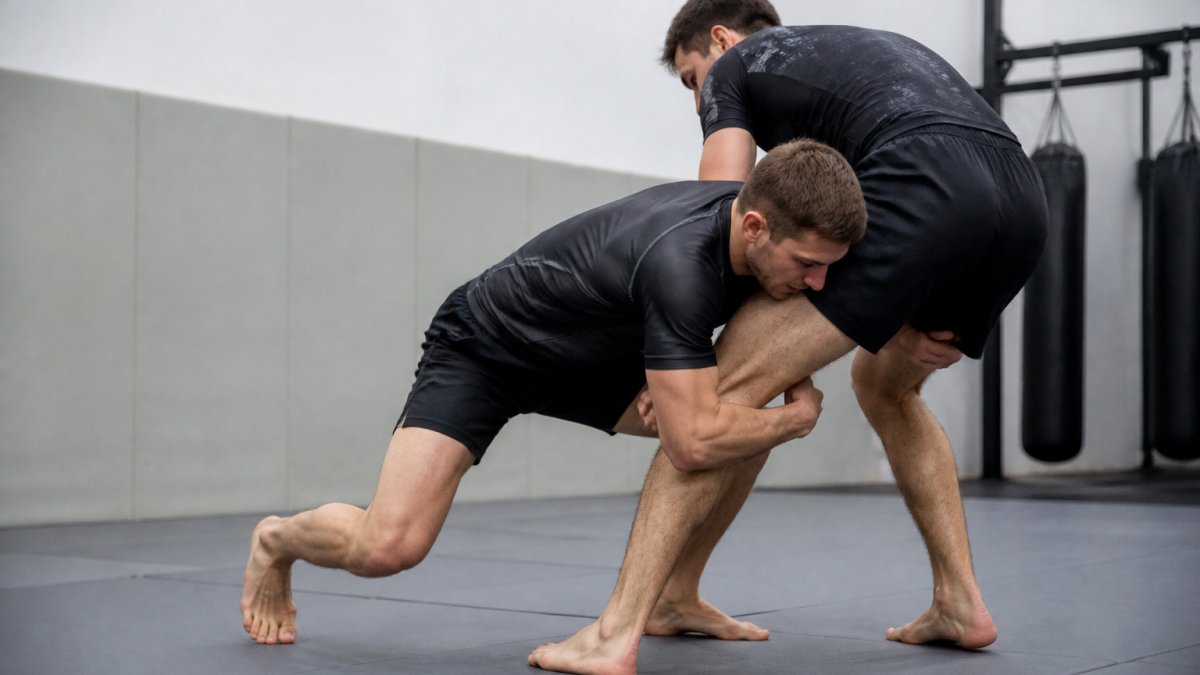
Beyond these essentials, you'll want a rash guard that fits your body properly. Beginners often buy oversized gear thinking it'll be more comfortable. It won't. Loose rashguards ride up during training, catch on limbs, and look unprofessional. The right fit means the garment moves with you, not against you.
Best BJJ rashguards for durability and fit
The best BJJ rashguards are built from materials that handle repeated washing and intense use. Look for heavyweight fabrics, typically 175-180 gsm (grams per square metre), that resist pilling and maintain their shape. Flat-lock or reinforced seams hold up better than standard construction when you're rolling hard.
When choosing a rashguard, prioritise fit over fashion. The garment should be snug but not suffocating. Your arms should move freely, and the length should reach just past your hip bone. Too short and you'll expose your lower back during rolls. Too long and you're creating drag and potential catching points.
Consider rashguards made from pre-washed cotton. Pre-washed materials are less likely to shrink after your first wash, which is crucial because a rashguard that shrinks is one that no longer fits properly.
The Russ Club Still Rolling Jitsu Division T-Shirt is built on this principle. At £20.99, it's constructed from heavyweight cotton with a structured unisex fit that works for serious training and everyday wear. The design is made to order, which means less waste and a garment built specifically for your needs rather than mass-produced inventory.

| Feature | What Matters | Why |
|---|---|---|
| Fabric Weight | 175-180 gsm minimum | Resists pilling and maintains structure |
| Seams | Flat-lock or reinforced | Handles friction and stress from grappling |
| Fit | Snug but not restrictive | Moves with you, prevents riding up |
| Material | Pre-washed cotton or blends | Less shrinkage, faster drying |
| Durability | Tested through repeated washing | Lasts beyond your first few months |
No-gi grappling shorts: choosing the right fit
No-gi grappling shorts are fundamentally different from regular athletic shorts. They're cut tighter, sit higher on the thigh, and use materials designed for constant contact and friction.
The right fit keeps shorts in place during dynamic movement. They should sit snugly at your waist without a drawstring that can be grabbed, and the inseam should be short enough that they don't ride down or catch during leg locks. Most grapplers prefer an inseam of approximately 7-9 inches, which sits at mid-thigh and allows full range of motion without excess fabric.
Look for shorts with a gusseted crotch, an extra panel that reinforces the area where your legs meet. This prevents tearing during high-intensity rolls and adds comfort. The waistband should be wide and stable, ideally with a flat front that won't dig into your stomach when you're in a front headlock or collar tie.
Material matters as much as fit. Lightweight, breathable fabrics dry quickly and reduce the weight you're carrying around the mat.
Still Rolling Jitsu Division T-Shirt | The Russ Club →
How to wash a BJJ rashguard and extend gear life
How to wash a BJJ rashguard correctly is the difference between gear that lasts a year and gear that lasts three years. Most damage happens in the washing machine, not on the mat. Industry experts suggest that proper care can double the lifespan of athletic apparel.
Wash your rashguard in cold water with mild detergent. Hot water breaks down the fabric faster and increases shrinkage risk. Turn it inside out before washing; this reduces friction against the outer surface and protects any printed designs. Use a gentle cycle, never the heavy-duty setting. Your gear isn't heavily soiled; it doesn't need aggressive agitation.
Skip the tumble dryer entirely. Air drying is non-negotiable. Hang your rashguard on a clothesline or lay it flat. The heat from a dryer causes shrinkage and weakens elastic fibres, which is why so many rashguards fail after a few months of regular washing. Air drying takes longer, but it's the only way to preserve the garment's shape and durability.
For gym clothes that don't pill, avoid fabric softeners and bleach. Both damage the fibres and accelerate pilling. If you notice pilling starting, use a fabric shaver to remove the pills gently; don't pull at them by hand.
Store your gear in a dry place. Damp rashguards left in a gym bag develop odour and mildew that's nearly impossible to remove. Rinse immediately after training if you can, or at minimum hang it to air before throwing it in the wash. This simple habit extends the life of your gear significantly.
Common mistakes beginners make with no-gi gear
Most beginners sabotage their own gear through preventable mistakes. The first is buying oversized clothing thinking it'll be more comfortable. Loose rashguards and shorts create catching points, reduce mobility, and look unprofessional on the mat. The right fit is snug but not restrictive.
The second mistake is ignoring the washing instructions. Throwing your rashguard in a hot wash with regular detergent and then tumble-drying it is the fastest way to ruin it. That's how you end up replacing gear every few months instead of every few years. One hot wash can shrink a rashguard permanently.
A third error is buying the cheapest option available. Bargain-basement rashguards are made from thin fabrics with weak seams. They feel okay for the first few sessions, then start pilling, stretching out of shape, and tearing at the seams. You end up buying three cheap rashguards in the time it takes to wear out one quality piece. The maths favours durability.
Many beginners also neglect to replace worn-out gear. If your rashguard is pilling badly or your shorts have holes, you're not just uncomfortable, you're creating hygiene issues for yourself and your training partners. Worn gear also performs worse, which affects your training.
Start your no-gi training with the right gear
Getting started with no-gi BJJ doesn't require a massive investment, but it does require thoughtful choices. Pick a heavyweight rashguard that fits properly, choose shorts with a secure fit and reinforced construction, and commit to washing your gear correctly. These three decisions will save you money and frustration.
The Russ Club Jitsu Division Belt T-Shirt at £20.99 is built for grapplers who understand that durability matters. The heavyweight cotton construction and reinforced seams are designed to handle serious training. It's made to order, which means you're not buying mass-produced inventory; you're getting a garment built for your needs.

Your first few months on the mat set the tone for your training journey. Invest in gear that moves with you, handles the demands of grappling, and lasts. Quality no-gi apparel beginners choose isn't about looking flashy; it's about showing up prepared and staying comfortable through your entire training session.
Starting no-gi training means committing to gear that performs. Russ Club builds training wear designed for grapplers who take their training seriously. Our heavyweight cotton construction and made-to-order approach mean you get durability that lasts beyond your first few months. Explore our Still Rolling Jitsu Division T-Shirt and Jitsu Division Belt T-Shirt and get started with gear built for the long term. Orders over £40 qualify for free delivery.
Frequently Asked Questions
What should a beginner wear to no-gi BJJ?
Beginners need a rashguard (fitted athletic top) and no-gi shorts designed for grappling. Both must be tight enough to prevent your opponent grabbing excess fabric, but allow full movement. Avoid regular gym clothes or baggy shorts; they catch during rolls and can cause injury. Most clubs require rashguards in solid colours. Russ Club's heavyweight t-shirts work for training and everyday wear, bridging gym and lifestyle needs.
Do beginners need a rashguard for no-gi BJJ?
Most no-gi BJJ clubs require or strongly recommend rashguards for hygiene and safety. They reduce skin-to-skin contact, which lowers infection risk and mat burn. For beginners, a rashguard is essential; it protects your skin during frequent falls and friction with partners. Quality rashguards also last through intense training without tearing at seams, making them a worthwhile investment rather than an optional extra.
How should you wash and care for no-gi BJJ apparel?
Wash rashguards and shorts in cold water after every session to prevent bacteria and odour. Turn them inside out to protect graphics and seams. Use mild detergent, avoid fabric softener (it breaks down elastic), and air-dry flat or hanging; never tumble dry. This care routine extends gear life significantly. Check seams and elastic regularly for wear, especially after intense rolling. Proper washing prevents the premature failure that catches many beginners off guard.
Can you wear normal gym clothes to a no-gi BJJ class?
Most clubs prohibit regular gym clothes because they're unsafe and unsanitary. Baggy t-shirts and loose shorts get grabbed during rolls, risking injury to you and your partner. Regular fabrics also absorb sweat and bacteria more readily than technical rashguard materials. No-gi-specific apparel is designed for grappling mechanics, fitted, quick-drying, and reinforced at stress points. Invest in proper gear from the start to train safely and avoid being asked to sit out.
