

Table of Contents
- Why Gym Clothes Pill and How to Stop It
- Best Fabric for Gym Clothes That Resist Pilling
- How to Wash Gym Clothes to Prevent Damage
- How to Prevent Leggings From Pilling During Training
- How to Remove Pilling From Leggings and Other Gym Wear
- Choosing Durable Gym Clothes That Last
- Frequently Asked Questions
Last Updated: October 19, 2026
Why Gym Clothes Pill and How to Stop It
Pilling happens when fibres on the surface of fabric get rubbed, knotted, and trapped, forming those annoying little balls. It's not a sign of poor quality, it's a natural consequence of friction during wear and washing. Understanding why it happens is the first step to preventing it.
The main culprits are friction during exercise, aggressive washing, and the type of fabric itself. When you're training hard, your clothes rub against your skin, equipment, and other surfaces. Over time, this breaks down the fibres. Washing in hot water with heavy agitation makes it worse. So does using a standard wash cycle for delicate gym gear.
Here's what happens inside the fabric: shorter fibres work loose from the weave, tangle together, and form those visible balls. Once pilling starts, it spreads quickly if you don't address it. The good news is that gym clothes that do not pill are absolutely achievable with the right fabric choices and care routine.
Friction isn't the only problem. Lint from other garments, improper drying, and over-drying in the tumble dryer all accelerate pilling. Even high-quality gym clothes that do not pill under normal conditions can start showing damage if you don't follow proper care instructions.
Best Fabric for Gym Clothes That Resist Pilling
Not all fabrics are created equal when it comes to durability. Some materials naturally resist pilling far better than others. The key is understanding what makes a fabric hold up under the stress of intense training.
Look for fabrics with a tight weave and longer fibres that don't loosen as easily.
Fabrics that resist pilling:
- Polyester blends, Durable, holds colour, resists pilling naturally
- Nylon, Strong, flexible, excellent for high-friction areas
- Merino wool blends, Breathable, naturally resists pilling better than standard wool
- Elastane or elastane blends, Stretches without losing shape, resists wear
- High-quality cotton jersey, Heavyweight cotton (175-180 g/m²) resists pilling far better than lightweight cotton
The weight of the fabric matters significantly. Heavyweight fabrics like those used in quality gym clothes that do not pill have more density and stronger fibres.
Tight weaves also matter. When fibres are packed closely together, they're less likely to loosen and ball up. Loose, open weaves are prone to pilling almost immediately.
How to Wash Gym Clothes to Prevent Damage
Washing is where most people accidentally damage their gym gear. The right technique protects your investment and keeps gym clothes that do not pill looking fresh for years.
Start by turning everything inside out before washing. This protects the outer surface where pilling is most visible. Use cold water, hot water breaks down fibres faster and causes more shrinkage.
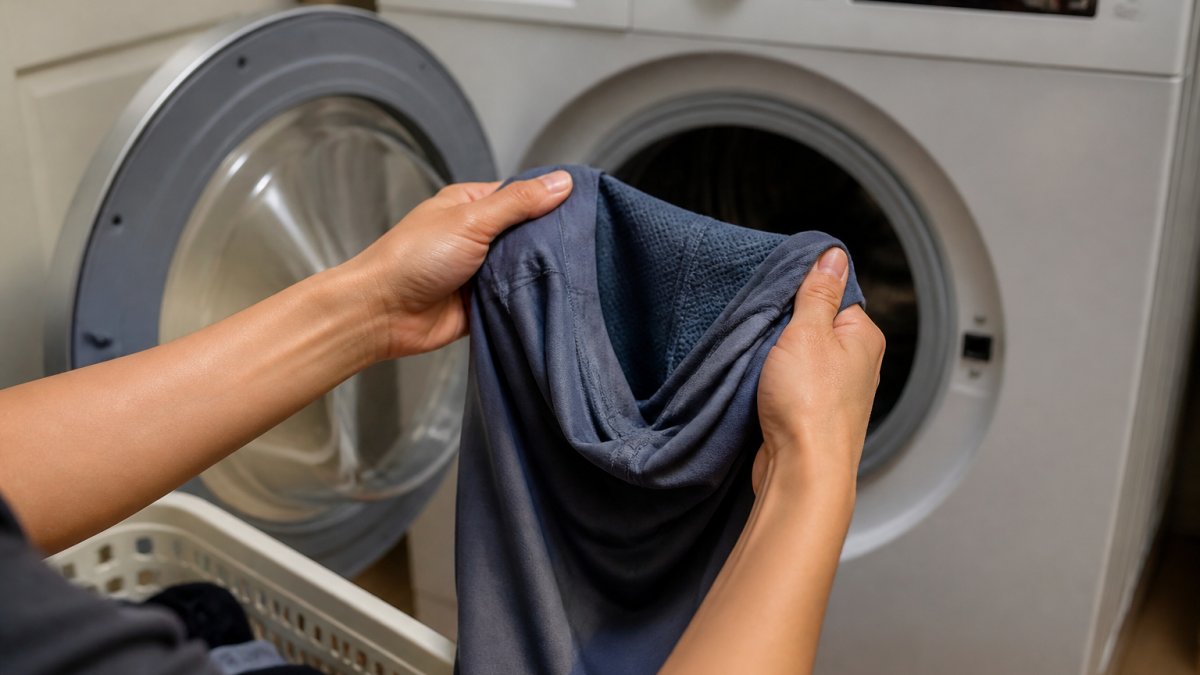
Washing best practices:
- Use a gentle or delicate cycle, never standard wash
- Wash with similar colours to prevent dye transfer
- Use cold water only
- Add a small amount of mild detergent (less is better)
- Never use bleach or fabric softener
- Wash with other gym clothes, not mixed loads
- Turn clothes inside out before washing
Fabric softener is a common mistake. Skip it entirely.
Detergent quantity matters too. Too much detergent leaves residue that weakens fibres. Use about half the recommended amount for gym clothes that do not pill.
Never overload the washing machine. Clothes need space to move freely. Cramming too much in forces extra friction and agitation, which damages fibres.
How to Prevent Leggings From Pilling During Training
Leggings take more punishment than almost any other gym garment. They're pressed against your skin, equipment, and surfaces for the entire workout. This means leggings need extra protection.
The fabric choice is critical. Look for leggings made from high-quality synthetic blends or nylon-based fabrics. Many quality gym clothes that do not pill use a polyester-elastane blend specifically for this reason.
Fit also matters. Leggings that are too tight create more friction against your skin and equipment. A proper fit reduces unnecessary rubbing. Leggings that are too loose bunch up and create friction in different areas. Get the fit right and you've already reduced pilling risk significantly.
During training, avoid sitting directly on rough surfaces. Benches, mats, and equipment edges can catch fibres and cause damage. Use a towel under your legs when sitting on hard surfaces.
After each workout, let leggings air dry if possible. If you must tumble dry, use the lowest heat setting. High heat damages synthetic fibres and makes pilling worse.
Vintage Strength Weightlifting T-Shirt | The Russ Club →
How to Remove Pilling From Leggings and Other Gym Wear
If pilling has already started, don't panic. You can remove it and restore your gym clothes that do not pill to looking nearly new.
Manual removal methods:
- Fabric shaver, The most effective option. These small electric devices safely remove pills without damaging the underlying fabric
- Lint roller, Works for light pilling. Roll gently across the affected area
- Pumice stone, Use very gently on small areas only. Risk of damaging the fabric if you press too hard
- Soft-bristled brush, Brush gently in one direction to lift pills away
Fabric shavers are the best investment. They're inexpensive, reusable, and work on almost any fabric. They remove pills without harming the underlying weave.
Never use razors or sharp objects. Gentle methods work better and preserve the garment.
For severe pilling, use a fabric shaver on the lowest setting. Make a few passes over the affected area, then check your progress. You can always do another pass if needed.
After removing pills, wash the garment again using the gentle methods described earlier. This removes any loose fibres created during the removal process.
Choosing Durable Gym Clothes That Last
Quality starts with the brand and the manufacturing process. Not all gym clothes that do not pill are created equal. Some brands invest in better fabrics, tighter construction, and proper finishing techniques.
Look for brands that specifically mention durability, heavyweight fabrics, and careful construction. Made-to-order production, for example, often indicates quality control and attention to detail. Brands that produce items specifically for their customers rather than mass-producing for everyone tend to use better materials.
At Russ Club, we focus on heavyweight cotton jerseys (175-180 g/m²) and tight weaves. Our gym clothes are designed for serious training and real life. We don't cut corners on fabric weight or construction quality.
Check the fabric weight before buying. If it's not listed, ask.
Seam construction matters too. Double-stitched seams and reinforced stress points indicate a garment built to last.
Consider how the brand approaches production. Made-to-order pieces often have better quality control than mass-produced alternatives. When items are produced specifically for customers, there's more attention to detail at every stage.
Our Vintage Strength Weightlifting T-Shirt is made from 175-180 g/m² heavyweight cotton with a tight weave specifically designed to resist pilling. It's built for training and everyday wear, and it's designed to last years, not months.

Gym clothes that do not pill aren't a luxury, they're a practical choice for anyone who trains seriously. The right fabric, proper care, and smart purchasing decisions add up to apparel that performs and lasts. Start with heavyweight, tight-weave fabrics. Wash with care. Choose brands that prioritise durability. Your investment will pay off in years of reliable training gear that looks good and performs when it matters.
Get started with Russ Club and discover gym clothes built to last. Our heavyweight cotton pieces feature tight weaves and reinforced construction. Shop now with free delivery on orders over £40.
| Pilling Prevention Method | Best For | Effort Required |
|---|---|---|
| Washing inside out | All gym clothes | Minimal |
| Cold water cycles | Fabric preservation | Minimal |
| Separating loads | Preventing friction damage | Low |
| Fabric shaver removal | Existing pilling | Low |
| Choosing heavyweight fabrics | Long-term durability | Before purchase |
Frequently Asked Questions
What gym clothes are least likely to pill?
Gym clothes made from tightly woven, high-quality fabrics pill less. Look for 100% cotton with a heavyweight weave (175 g/m² or heavier). Russ Club's heavyweight cotton T-shirts, such as the Vintage Strength Weightlifting T-Shirt, use 175-180 g/m² cotton jersey specifically chosen for durability and resistance to wear.
Why do leggings and gym clothes pill?
Pilling occurs when loose fibres on the fabric surface tangle and ball up from friction, moisture, and repeated washing. Leggings pill faster because they experience constant friction against skin and equipment during training.
Can pilling be removed from gym clothes and leggings?
Yes. Use a fabric shaver or pilling comb designed for delicate fabrics, run it gently over the affected area in one direction. Prevention is easier than removal, so focus on proper washing and drying first. Once removed, continue proper care to minimise future pilling.
Does washing gym clothes inside out prevent pilling?
Yes, turning gym clothes inside out during washing reduces friction between the outer surface and the machine drum, significantly lowering pilling risk. Wash in cold water, use a gentle cycle, avoid fabric softener, and dry on low heat or air-dry. This combination protects the fabric's integrity and extends the life of your gym wear considerably.