

Last Updated: November 12, 2026
Quick Summary
To wash gym gear, turn items inside out, pre-treat armpits and waistbands with liquid detergent, then wash at around 30°C on a gentle cycle with liquid non-biological detergent and no fabric softener. Always air dry rather than tumble dry, and wash kit after every session.
- Wash gym clothes after every single session, including socks and sports bras.
- Soak stubborn odour in cool water with a scoop of bicarbonate of soda for half an hour.
- Skip fabric softener entirely because it coats fibres and traps odour.
- Air dry everything, as tumble dryer heat shrinks cotton and cracks elastic.
- Wipe lifting belts and gloves after each use and deep clean them monthly.
Table of Contents
- Why Washing Gym Gear Properly Matters for Durability
- How Often to Wash Gym Clothes (and What Changes With Age)
- Step-by-Step: How to Wash Gym Gear Without Ruining It
- How to Prevent Gym Clothes from Smelling Between Washes
- The Best Detergent for Sportswear (and What to Avoid)
- How to Wash Sports Bras and Delicate Kit
- Common Mistakes That Shorten the Life of Your Gym Gear
- Building a Wash Routine That Protects Your Kit
- Frequently Asked Questions
Why Washing Gym Gear Properly Matters for Durability
Washing gym gear properly is the difference between kit that lasts years and kit that falls apart in months. Sweat, body oils and bacteria work their way into fabric fibres after every session. Leave them there, and the damage compounds.
Even the toughest fabric needs sensible care. Here is the core problem: sweat residue breaks down elastic fibres in waistbands and sports bras. Trapped bacteria cause the smell that no amount of deodorant fixes. And heat from a tumble dryer shrinks and cracks the very materials that give your kit its stretch and shape.
So the way you wash matters as much as what you buy. Get it right and your leggings keep their hold, your bras keep their support and your tees keep their structure. Get it wrong and you replace everything twice as often.
NHS guidance on preventing the spread of germs
How Often to Wash Gym Clothes (and What Changes With Age)
Wash gym clothes after every single session. That is the short answer. Sweat-soaked fabric sitting in a laundry basket is a breeding ground for bacteria, and the smell sets in fast.
A common approach is to treat gym kit differently from everyday clothes. Here is the breakdown:
| Item | How often to wash | Why |
|---|---|---|
| T-shirts and tops | After every wear | Direct skin contact, heavy sweat |
| Leggings and shorts | After every wear | Bacteria trap in synthetic fibres |
| Sports bras | After every wear | High sweat, elastic damage risk |
| Socks | After every wear | Worst bacteria build-up |
| Lifting belts | Wipe after each use, deep clean monthly | Less skin contact |
| Gym gloves | Wipe after each use, wash weekly | Absorb sweat directly |
| Trainers | Monthly, or when they smell | Air out after every session |
Age changes this slightly. As skin loses some of its natural oils over time, fabric can feel drier and more brittle. Hot washes and harsh detergent speed that up.
Step-by-Step: How to Wash Gym Gear Without Ruining It
The full process takes about ten minutes of hands-on work. The rest is machine time. Follow this order and you protect both the fabric and the fit.
Pre-Treatment: The Step Most People Skip
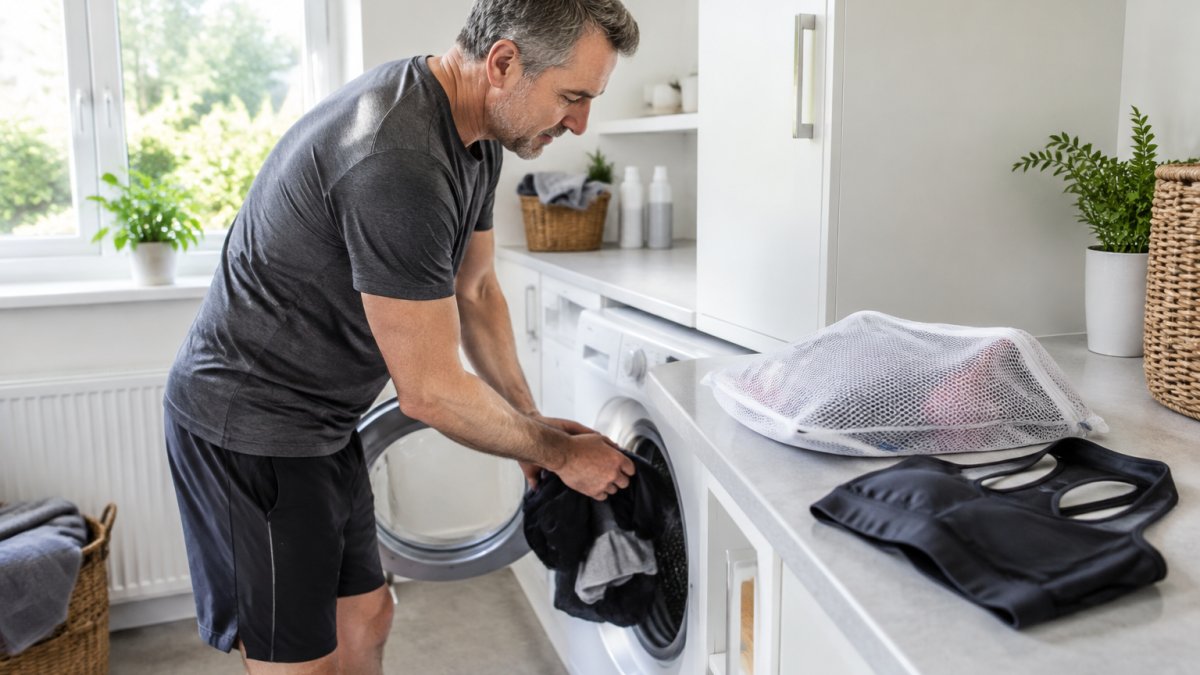
Turn every item inside out before it goes near the machine. This protects prints, seams and the outer surface from friction. Next, treat the problem zones: armpits, the small of the back and waistbands.
A simple method is to rub a little liquid detergent directly into those areas and leave it for ten minutes. For stubborn odour, soak the item in cool water with a scoop of bicarbonate of soda for half an hour. This breaks down the bacteria that cause smell before the main wash.
Zip up any zips and fasten Velcro tabs. Loose straps and hooks snag other garments in the drum.
Machine Settings, Temperature and Detergent
Use a cool or lukewarm wash, around 30°C. Hot water damages elastic and breaks down synthetic fibres faster. Choose a gentle or synthetic cycle with a low spin speed.
Detergent matters. Use a liquid, non-biological detergent rather than powder. Powder can leave residue in technical fabrics. Skip fabric softener entirely, as it coats fibres and traps odour.
Wash similar fabrics together. Keep heavy cotton separate from delicate synthetics so the drum balances and nothing snags.
Drying: Why the Tumble Dryer Is Your Enemy
Air dry everything. Heat from a tumble dryer is the fastest way to shrink cotton, crack elastic and warp synthetic fibres. Hang or lay flat in a well-ventilated space, away from direct radiators.
Watch out: throwing damp kit straight into a warm tumble dryer "just to finish it off" is the single most common cause of ruined gymwear. If you must use a dryer, choose the lowest heat setting and remove items while still slightly damp.
How to Prevent Gym Clothes from Smelling Between Washes
Preventing gym clothes from smelling between washes comes down to drying them fast and stopping bacteria from settling in. Never leave damp kit in a gym bag or on a changing room floor.
Follow these habits:
- Hang kit to air out the moment you get home
- Keep a separate breathable bag for worn gym clothes
- Never store damp towels or kit in a sealed bag
- Rotate two or three sets so nothing sits unwashed for days
- Wipe down lifting belts and gloves after each session
For a deeper routine on keeping kit fresh, our guide on how to prevent gym clothes from smelling after every workout covers the full between-wash process.
If you are weighing up which training pieces actually hold up to this kind of care, our breakdown of heavy duty training gear looks at what lasts.
The Best Detergent for Sportswear (and What to Avoid)
The best detergent for sportswear is a liquid, non-biological formula free from fabric softener and harsh brighteners. These clean effectively without coating fibres or breaking down stretch.
What to avoid:
- Fabric softener: coats fibres, traps odour and reduces wicking
- Biological powder: enzymes can damage some technical fabrics over time
- Chlorine bleach: destroys elastic and fades colour fast
- Overdosing detergent: leaves residue that holds smell
A dedicated sports wash is worth it if you train hard most days. Otherwise, a plain liquid detergent plus bicarbonate of soda for odour does the job. Add half a cup of white vinegar to the rinse cycle occasionally to strip built-up residue.
Which? guidance on choosing laundry detergent
How to Wash Sports Bras and Delicate Kit
Washing sports bras needs more care than the rest of your kit. The elastic and support structure break down fast under heat and friction. Hand wash where you can, or use a mesh laundry bag on a gentle cycle.
Rules for sports bras and delicate items:
- Fasten hooks before washing to stop snagging
- Use a mesh bag to protect straps and cups
- Wash on a cool, gentle cycle with low spin
- Never wring or twist to remove water, press instead
- Lay flat to dry so the shape holds
The same approach protects compression wear, base layers and any kit with bonded seams. Skip the dryer entirely for these. A little patience at the drying stage adds months to their life.
Common Mistakes That Shorten the Life of Your Gym Gear
Most ruined kit fails for avoidable reasons. Here are the mistakes we see most often, and the fix for each.
| Mistake | What it does | The fix |
|---|---|---|
| Using fabric softener | Traps odour, blocks wicking | Skip it completely |
| Tumble drying on high heat | Shrinks cotton, cracks elastic | Air dry every time |
| Washing on hot cycles | Weakens fibres, fades colour | Stick to 30°C |
| Overloading the machine | Poor cleaning, more friction | Wash smaller loads |
| Leaving kit damp in a bag | Bacteria multiply fast | Air out immediately |
| Overdosing detergent | Residue holds smell | Use the recommended dose |
One more: washing printed tees inside out protects the artwork. Heavyweight cotton tees hold their shape well, but a hot wash and a hot dryer will still cut their life short.
Building a Wash Routine That Protects Your Kit
A simple routine beats occasional deep cleans every time. The goal is consistency: wash soon, wash cool, dry flat.
Try this weekly rhythm:
- After every session: air out kit, wipe belts and gloves
- Twice a week: run a cool wash for accumulated kit
- Monthly: deep clean belts, gloves and trainers
- Seasonally: check waistbands and seams for wear before they fail
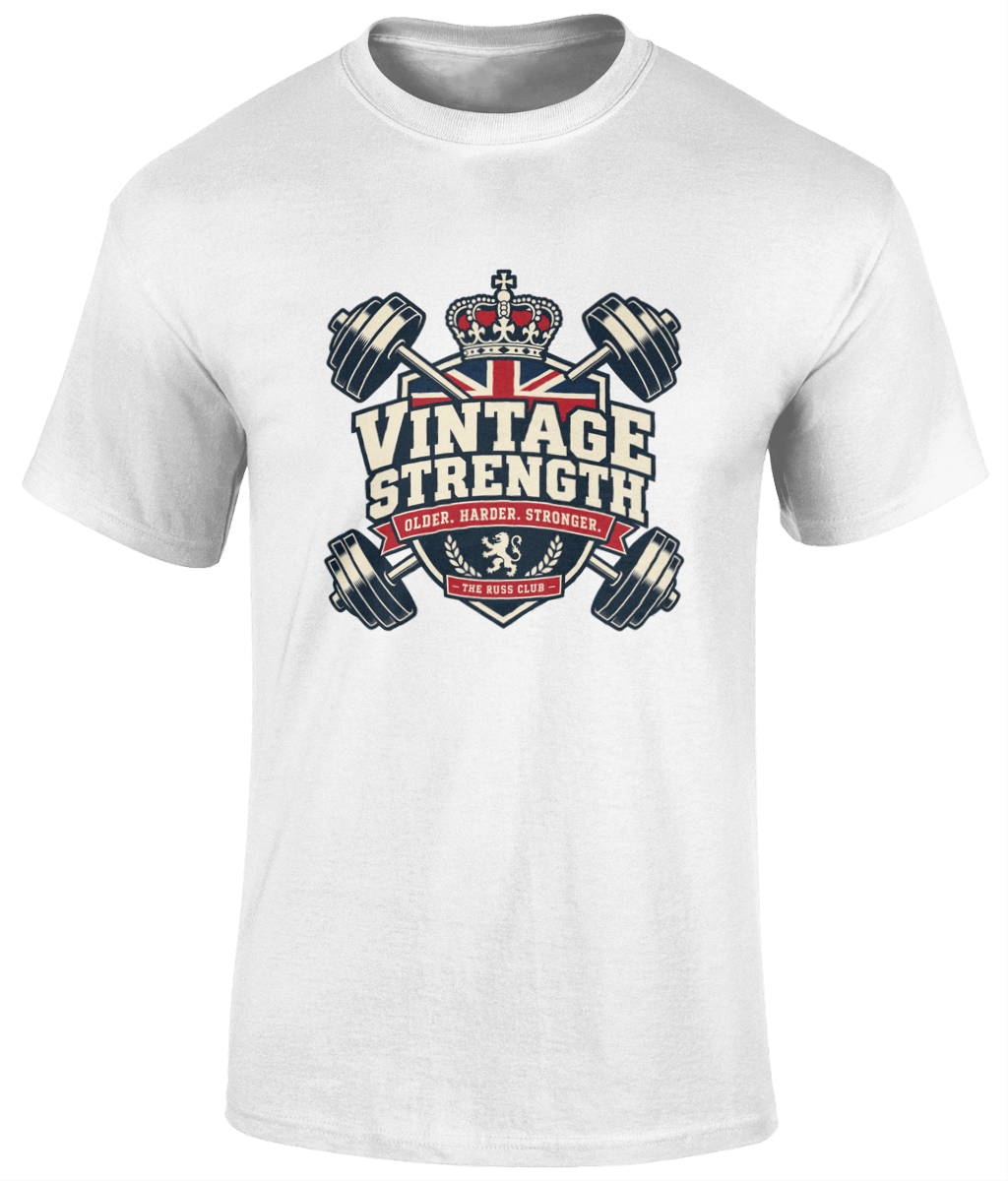
Treat your kit like equipment, not laundry. The same discipline you bring to training keeps your gear performing. Russ Club offers British-inspired gymwear for people who still turn up and put the work in. The Vintage Strength Weightlifting T-Shirt at £20.99 is a heavyweight cotton tee, made to order, for training days and rest days alike.
Your kit only performs as well as you care for it. If you want apparel that starts strong and stays that way, Russ Club makes durable British gymwear with heavyweight cotton construction, original artwork and free shipping on orders over £40. Get started with Russ Club and train in gear built to last.
Frequently Asked Questions
Should you wash gym clothes after every workout?
Yes for anything that sits directly against sweaty skin: base layers, sports bras, leggings and shorts. Bacteria feed on sweat and skin cells, and once they settle into the fibres the smell is hard to shift. Outer layers like hoodies or heavyweight cotton tees can often go two or three sessions if you air them properly between wears. In hot weather or after a heavy grappling session, wash everything straight away.
What temperature should you wash gym clothes at?
A 30°C cycle is enough for most synthetic gym kit and protects elastane from degrading. Use 40°C for cotton tees, socks and anything heavily soiled. Reserve 60°C for towels or kit you've been ill in. Hot washes feel reassuring but they break down stretch fibres and shrink cotton, which is why gear loses shape long before it wears out.
Can you use fabric softener on gym clothes?
No. Fabric softener coats fibres in a waxy film that traps odour and blocks moisture-wicking performance. Your kit will feel softer for one wear and smell worse every wash after that. Skip it entirely for sportswear and use a dedicated sports detergent or a splash of white vinegar in the rinse cycle instead.
How do you get sweat smells out of gym clothes that won't shift?
Soak the garment in a bucket of cool water with a scoop of oxygen-based cleaner for two to four hours, then wash as normal. Avoid chlorine bleach, which damages stretch fibres and turns white kit yellow. For persistent smells, check the care label and consider whether the fabric has trapped bacteria in a softener residue. Strip-washing with bicarbonate of soda once every few months resets heavily used kit.
